Helping school leaders build momentum, tell their story, and earn trust without losing focus on what matters most.

We create clarity around the direction, build systems that move the work forward, and make progress visible so trust grows.

What transformation looks like in practice.

Marion
Community Schools

Redesigning the grades 5–8 experience around stronger learning, exploration, and opportunity.

Marion is rethinking what students experience every day while strengthening the instructional and leadership systems that support better outcomes.

Explore the Marion story.

Mitchell
Community Schools

Building a K–8 experience where students read deeply, create boldly, and show what they know.

Mitchell is designing a connected student experience built around knowledge, durable skills, meaningful work, and public evidence of learning.

Explore the Mitchell story.

Big ideas are rarely the problem. Making them real is.

School leaders are rarely short on vision. The challenge is turning that vision into focused action across an entire system. That takes clear priorities, aligned expectations, routines that sustain progress, and evidence that meaningful change is happening. EES Innovation helps leaders connect those pieces so the work can move forward with purpose.

Have a vision for what could be different in your district?

EES Innovation helps school leaders turn that vision into a compelling Next Generation SIG proposal and a plan that can actually be implemented. We complete the grant-development work without charging the district. If the grant is awarded, EES Innovation becomes the expert implementation partner. If the grant is not awarded, the district owes EES Innovation nothing.

The goal is to design a transformation worth funding.

Let’s talk about what you want to change.

Start with the change you want students to experience. We can explore the direction and whether a partnership makes sense.

Clear direction creates MOMENTUM. Visible progress builds TRUST.

We help school leaders connect what matters most with the systems, leadership, and evidence needed to move the work forward.

A clear direction has to survive a busy school day.

Competing priorities can make even a strong vision difficult to carry into classrooms. Leaders need a shared focus, systems people can use, and a way to see whether the work is taking hold. The approach connects those needs rather than adding another isolated initiative.

Direction → Momentum → Story → Trust.

Start here

Direction

Clarify the student experience you want to create and the outcomes that matter most.

  1. Momentum

    Build the systems, resources, and leadership routines that turn priorities into action.

  2. Story

    Make the work visible through clear explanations and evidence of what is changing.

  3. Trust

    Help people understand the direction and assess the progress. Confidence can grow as the work becomes clearer.

The approach takes shape in district work.

Implementation (Year 1)

Marion Community Schools

A redesigned grades 5–8 experience is supported by instructional systems, leadership routines, and a living evidence site.

Explore the Marion story.
Planning Year

Mitchell Community Schools

A K–8 vision is being translated into Bluejacket Build expectations, resources, and design work before classroom launch.

Explore the Mitchell story.

The frameworks behind the work.

Our frameworks help make the approach usable. Explore a short overview of what each supports and why it matters.

Learning Elevation Framework (LEF)

Every student deserves a clear path to learning, supported by instruction that responds to their needs. The Learning Elevation Framework (LEF) helps schools connect what students are expected to learn, how learning is supported, and how progress is measured.

By aligning essential learning expectations, responsive instructional practices, and meaningful assessment, LEF transforms disconnected curriculum, instruction, and assessment efforts into a coherent system focused on student growth.

For school leaders, LEF creates clarity and consistency across classrooms while empowering teachers to make informed instructional decisions based on what their students know, understand, and are ready to learn next.

Organizational Momentum and Acceleration (OMA)

Meaningful change requires more than a clear vision. It requires the focus, action, and accountability to bring that vision to life. Organizational Momentum and Acceleration (OMA) helps school leaders translate their district’s direction into manageable priorities and measurable progress.

By establishing focused improvement cycles, clear responsibilities, and regular opportunities to reflect and adjust, OMA helps leadership teams reduce competing priorities, overcome barriers, and maintain momentum toward what matters most.

For district leaders, OMA creates a practical system for moving from intention to implementation, making progress visible, strengthening accountability, and ensuring that daily decisions contribute to long-term student success.
Instructional Priority Model (IPM)

Great instruction should not depend on which classroom a student enters. The Instructional Priority Model (IPM) helps schools establish a shared understanding of what effective instruction looks like and how to continuously improve it.

Built around three essential instructional drivers, Collaborative Inquiry, Scaffolding & Access, and Feedback, IPM focuses attention on how students engage in meaningful learning, receive the support they need to succeed, and understand how to improve.

For school leaders, IPM provides a common language to guide classroom observations, support teacher growth, and strengthen instructional consistency. For educators, it brings clarity to the practices that have the greatest potential to improve the student learning experience and ultimately student outcomes.

VOICE

Great things happen in schools every day, but their impact is not always visible to the families and communities they serve. VOICE helps schools intentionally capture and share the student experiences, opportunities, and progress that bring their district’s vision to life.

By connecting meaningful stories to district priorities and highlighting how students benefit, VOICE transforms communication from a collection of announcements into a consistent, purposeful approach to building understanding and trust.

For district leaders, VOICE provides a way to make progress visible, celebrate the people and experiences shaping student success, and strengthen the connection between schools and their communities.

The goal is capacity that lasts.

The work should become something district leaders can sustain, refine, and carry forward. EES Innovation helps build clarity and usable systems while developing the leadership capacity to keep them in use.

Beyond the Grant. Built Into Your DNA.

We help schools embed these systems into their organizational DNA, making them part of how they lead, teach, and continuously improve long after grant funding ends.

Marion Community Schools

Implementation (Year 1)

Redesigning the grades 5–8 experience.

Marion is redesigning grades 5–8 so students experience stronger academics, meaningful exploration, and more opportunities to discover what they can do. The work combines stronger instructional systems with a redesigned student experience across Justice Intermediate and McCulloch Junior High.

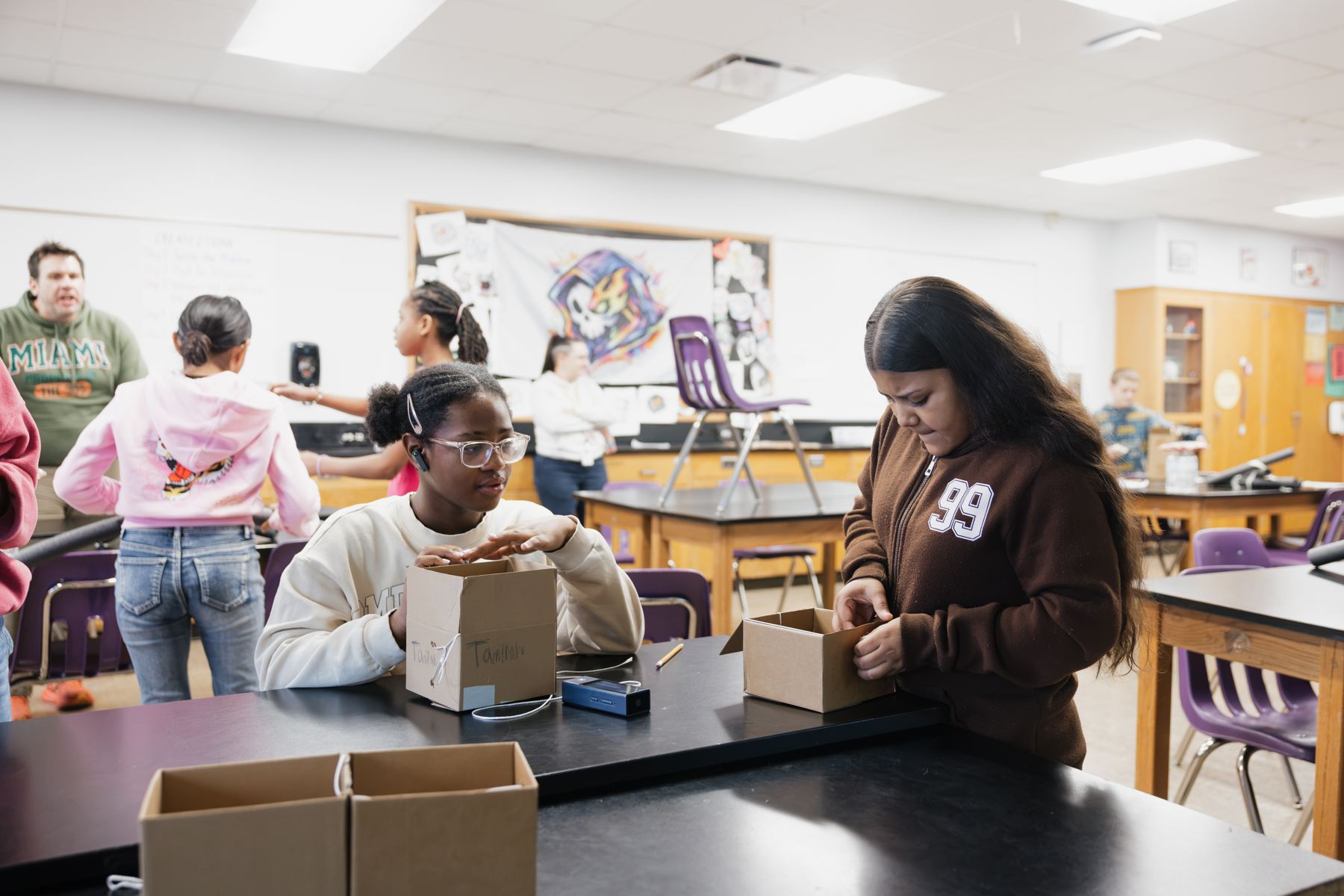
Two Marion students work on cardboard box builds at a lab table during the Exploration Block while classmates and teachers work in the background.

A different experience across the school day.

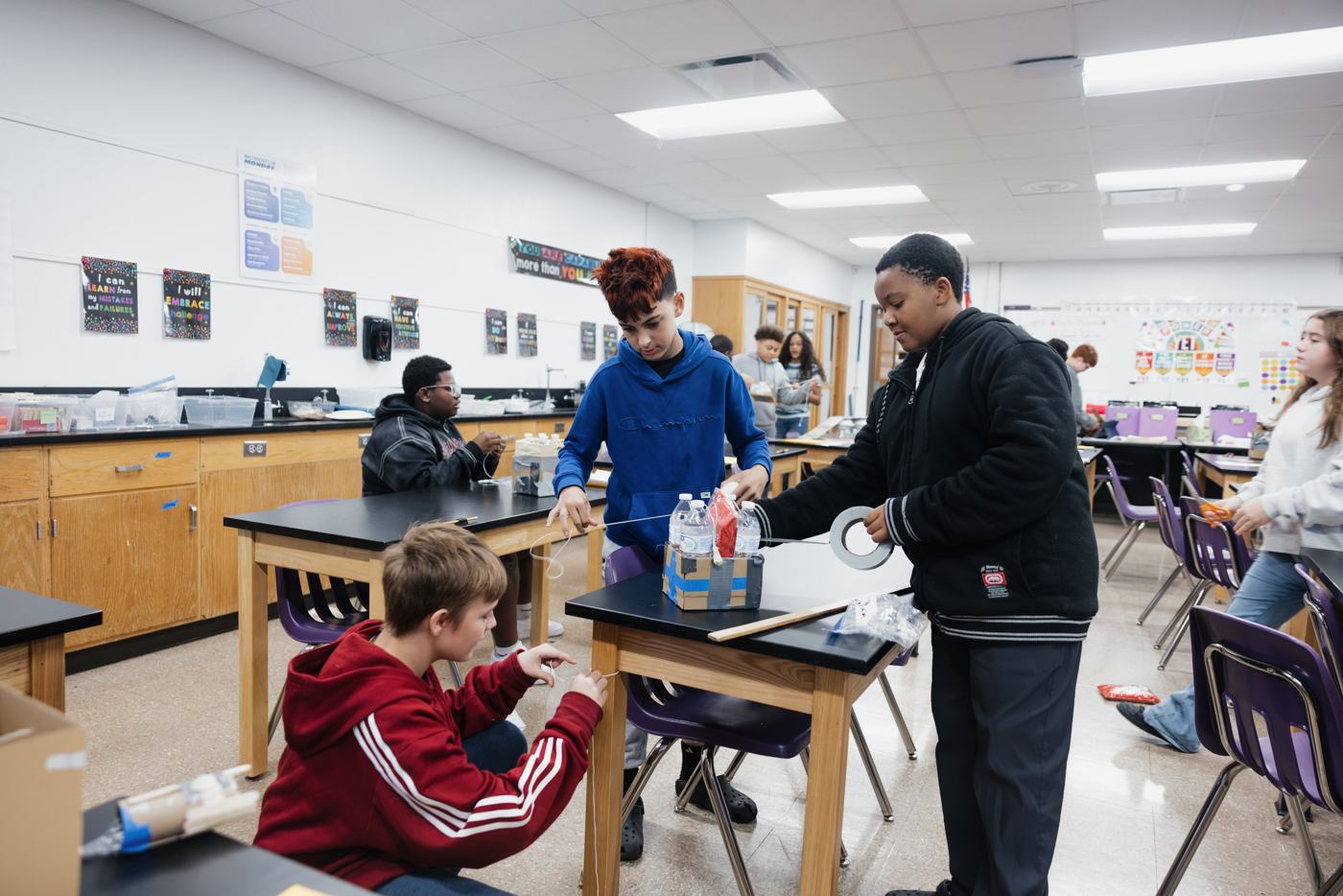
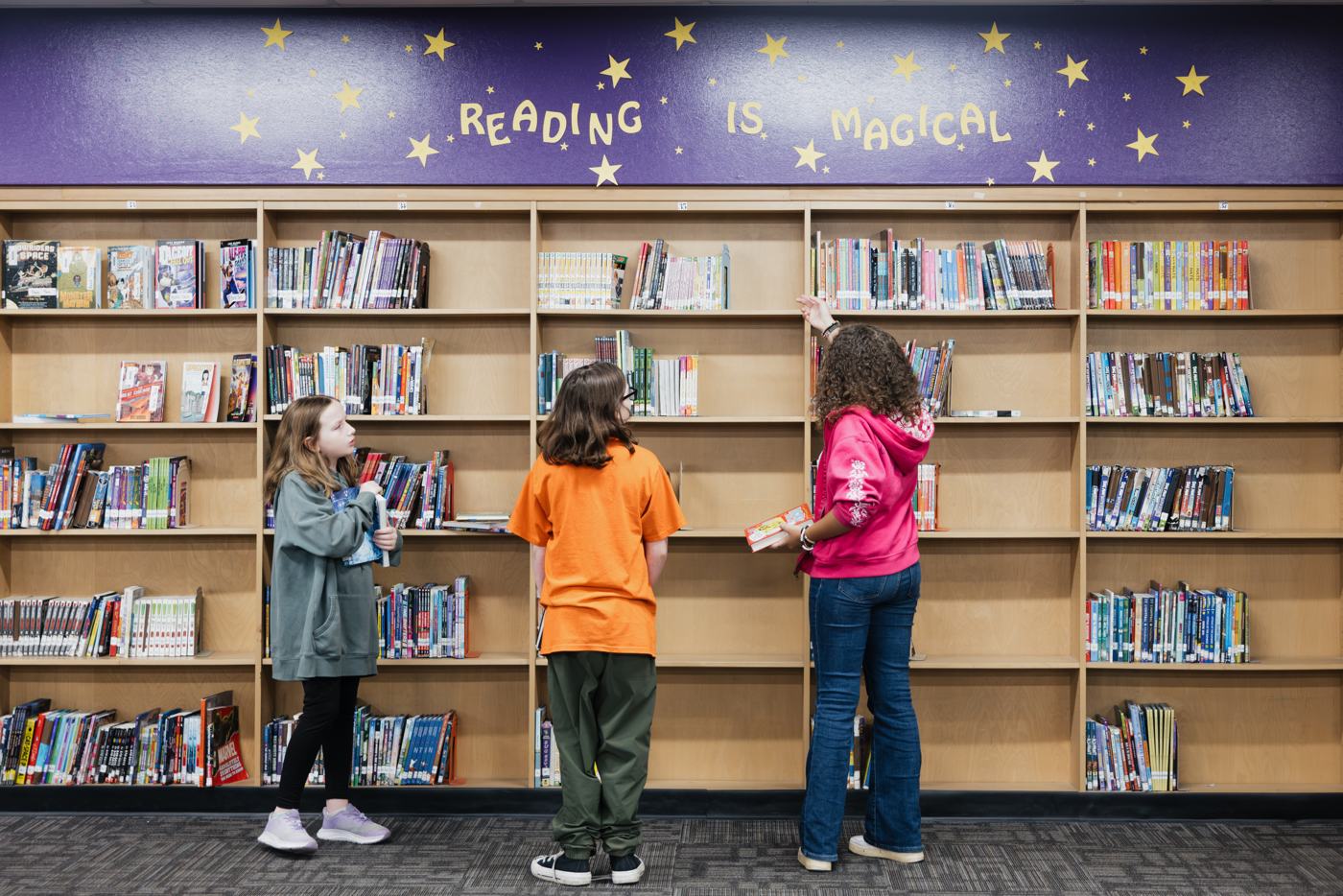
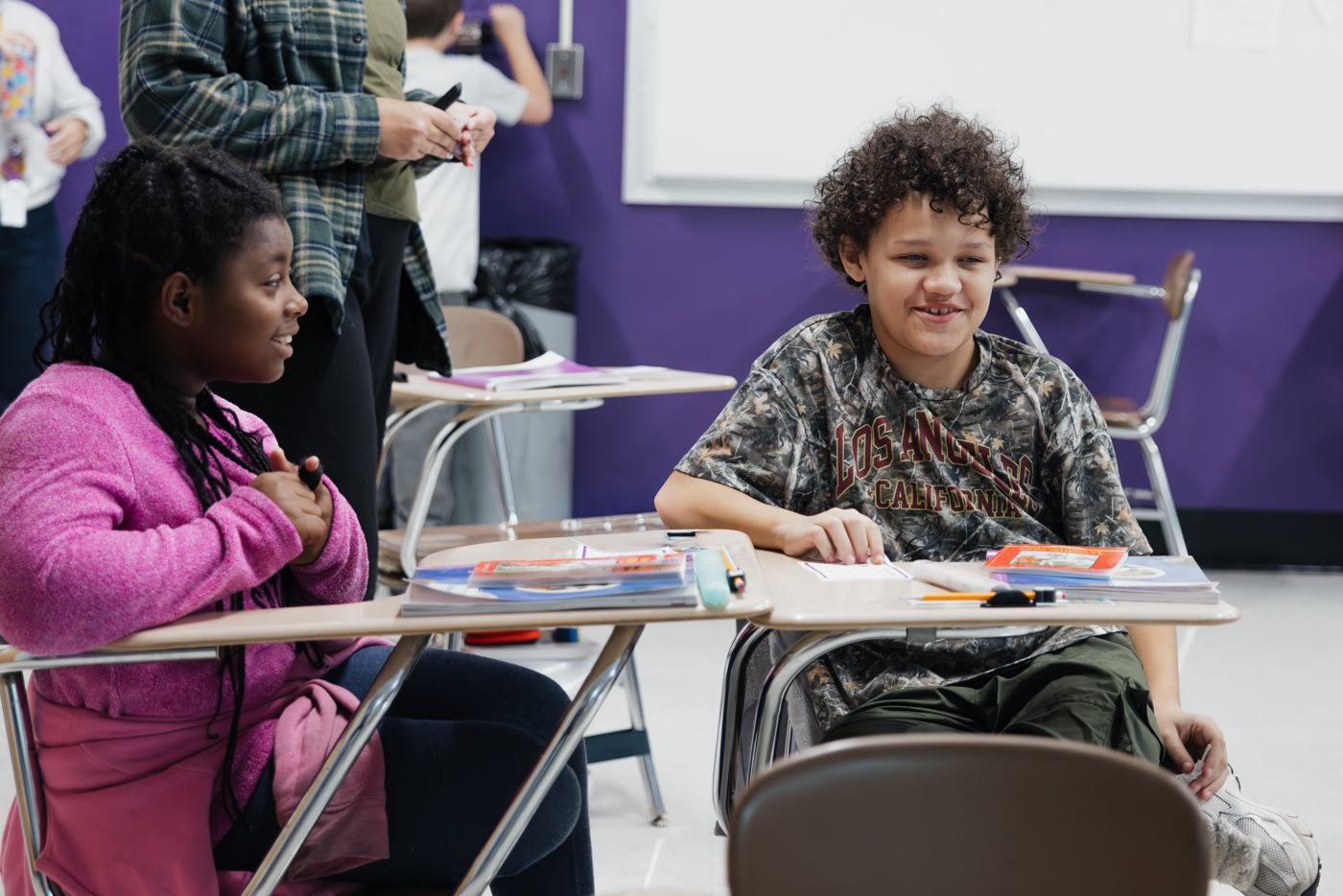
The Exploration Block creates space for students to build, investigate, collaborate, and explain their thinking. Through CREATE2THINK, students take on challenges, build knowledge through nonfiction reading and writing, and strengthen their work. Momentum Monday connects what they learn to careers and the world beyond the classroom. Synergy with AI teaches them to use AI as a thought partner to ask better questions and think more deeply. Across all three, students take a more active role in what they learn and how they show it.

Three Marion students build and tape a box project together at a lab table, measuring string and stacking water bottles.
01Build and test
Three Marion students browse library shelves under a purple “Reading is Magical” banner, one reaching for a book.
02Research and reason
Two Marion students smile at their desks while listening to classmates share.
03Share and reflect

Different experiences are designed to produce different outcomes.

Exploration is connected to the learning students need. The redesigned experience is intended to deepen knowledge, strengthen durable skills, increase ownership, and support stronger academic outcomes over time. Classroom evidence and outcome trends help leaders assess whether that intention is becoming reality.

The experience

  • Build and investigate
  • Collaborate
  • Explain thinking
  • Improve work

Intended over time

  • Deeper knowledge
  • Stronger durable skills
  • Greater ownership
  • Stronger academic outcomes

Intentions, assessed through classroom evidence and outcome trends.

The system behind the experience.

EES Innovation supports Marion leaders as they clarify the direction, strengthen literacy and mathematics systems, and establish common expectations. Leadership routines and evidence help the district identify what is taking hold, what needs refinement, and what comes next. The visible classroom experience is supported by work across instruction and leadership.

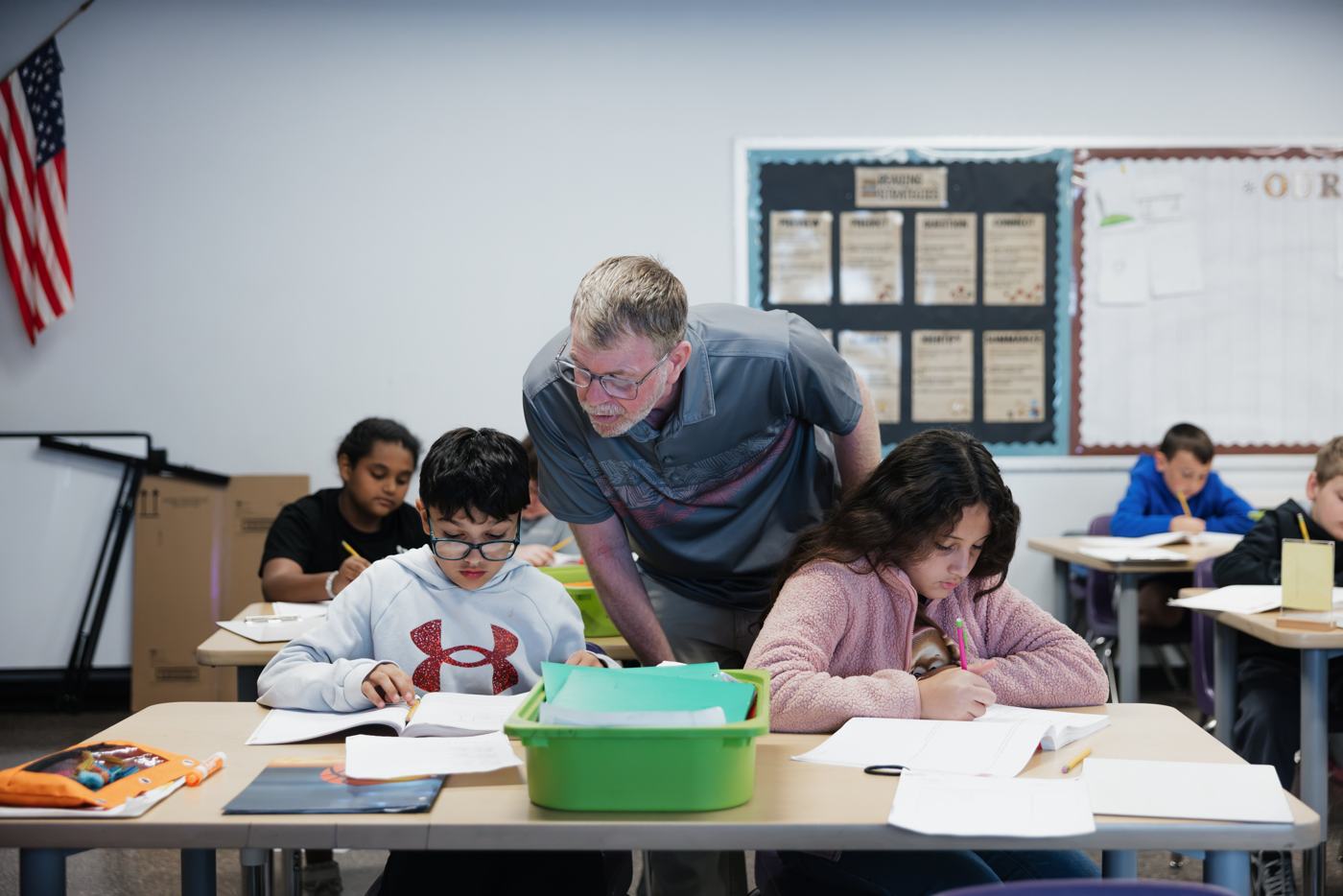
A Marion teacher leans in to coach two students as they read and write at their desks.

A district leader’s perspective

EES Innovation has been a tremendous partner in helping us bring the Marion Transformation Zone vision to life. From teacher resources and student-facing materials to leadership systems and onboarding support, EES helped ensure we had everything in place for a successful launch on day one of our first year. One of the things I appreciate most about working with EES is their ability to take complex ideas and make them understandable and actionable for everyone involved. They have helped our leadership team establish clear expectations, provide meaningful support, and hold people accountable to the work. This partnership has been incredibly valuable as we change the student experience with the ultimate goal of improving student outcomes.

Dr. Stephanie LockwoodSuperintendent, Marion Community Schools

Clear direction. Work in motion. Progress made visible.

Marion shows how our approach connects a district’s direction with the systems that support implementation and the story stakeholders can follow.

External site · MarionTZ.com

Follow the transformation as it happens.

This page explains the larger transformation story. MarionTZ documents the ongoing work through milestones, student experiences, evidence, and stories.

Mitchell Community Schools

Planning Year

Designing a K–8 experience where students build knowledge, create meaningful work, and show what they can do.

Mitchell Community Schools is using its Next Generation SIG planning year to design a coherent experience across grades K–8. Bluejacket Build connects learning with creation and public evidence of what students know.

Mitchell Students Do BIG Things!

What should a Mitchell student experience year after year that prepares them to do big things? The district is designing a progression that becomes more sophisticated as students grow while maintaining common expectations for meaningful learning.

Read deeply. Create meaningful work. Show what you know.

Bluejacket Build brings nonfiction reading and writing, durable skills, hands-on creation, and public evidence of learning into a connected experience. Students are expected to collaborate, solve problems, communicate their thinking, and reflect on growth. The design spans K–2, 3–5, and 6–8 with increasing sophistication across the grade bands.

Grade bandK–2

Common expectations, introduced at the start of the progression.

Grade band3–5

The same expectations with increasing sophistication.

Grade band6–8

The most sophisticated stage of the K–8 progression.

From recurring builds to something bigger.

Four required Bluejacket Builds, with one additional optional build, establish the foundation for a larger Big Build and a culminating Legacy experience. The structure gives the work a clear progression while leaving room to learn and refine during implementation.

Bluejacket Builds

1234+1

Four required, one optional

Big Build

A larger build on that foundation

Legacy

The culminating experience

Build the system before launch.

EES Innovation is helping Mitchell translate the concept into essential elements, grade-band progressions, planning tools, rubrics, and exemplars teachers can use. The design connects reading and writing with hands-on creation and aligns the experience with instructional and leadership systems. The planning year is about building the system before asking people to implement it.

At this stage, progress means readiness.

The following focal points are driving our planning year.

  • A clearly defined student experience

  • Consistent expectations across grade bands

  • Usable tools and examples

  • Leadership alignment

A district leader’s perspective

EES Innovation played a major role in helping Mitchell secure $4.5 million in grant funding to make our vision a reality. As we are just kicking off our planning year, EES has already taken the lead in developing the systems, resources, and strategies that will guide this work. They are more than consultants to us. They are partners who roll up their sleeves, help us work through challenges, and make sure we have what we need to be successful. Their support and commitment to our schools have been outstanding, and we know we can count on them throughout this journey. Together, we are creating opportunities for Mitchell Students to do big things.

Todd TanksleySuperintendent, Mitchell Community Schools

From design to classroom experience.

The next phase will bring the model into classrooms, gather evidence of what students experience, and use that learning to refine the work. The story will move from what Mitchell is designing to what students are experiencing and what the district is learning.

We partner with school leaders who are ready to build something better for students.

EES Innovation works alongside district leaders to clarify direction, redesign systems, build momentum, and develop the internal capacity to sustain meaningful change. We begin by exploring the change you want to create and whether we are the right partners to help you lead it.

What guides the work.

Students come first.

The student experience and student outcomes drive the work.

Clarity creates focus.

Leaders need a shared understanding of what matters most.

Systems make change sustainable.

Ideas need usable tools, routines, expectations, and leadership practices.

Trust grows when progress becomes visible.

Evidence and storytelling help people understand the work as it unfolds.

Customized enough to reflect your vision. Turnkey enough to accelerate implementation.

We build with you, simplify before we add, and stay close to implementation. During planning, EES Innovation takes substantial responsibility for the demanding design and development work: systems, resources, tools, training, and implementation structures. District leaders remain actively involved in decisions, leadership, accountability, and use. The result is a system designed around your vision with the support to put it into practice.

EES Innovation develops

The demanding design and development work

  • Systems
  • Resources
  • Tools
  • Training
  • Implementation structures

District leaders decide and lead

Active involvement throughout

  • Decisions
  • Leadership
  • Accountability
  • Use

Strong partnerships require more than eligibility.

  1. Commitment

    Readiness to rethink systems, make difficult decisions, and do the work.

  2. Clarity

    A willingness to examine what is and is not working and define what needs to change.

  3. Consistency

    Follow-through, accountability, and willingness to stay with change long enough for it to matter.

Built to scale. Built to last.

A grant cycle should leave a district with stronger internal expertise, repeatable leadership routines, usable systems, and shared expectations. As those take hold, the work can become part of how the district operates.

This is how we do things here.

Our role changes as district capacity grows.

During planning

Builder

During planning, EES Innovation helps design the systems and resources the work requires.

Early implementation

Coach/Facilitator

During early implementation, EES Innovation helps leaders introduce expectations, solve problems, and refine practice.

As implementation matures

Capacity Partner

As implementation matures, EES Innovation helps strengthen consistency, internal expertise, and district ownership of the work.

Beyond the grant, the district continues using the capacity, systems, and resources developed through the partnership.

Let’s talk about what you want to change.

You do not need a finished plan to begin. Bring a meaningful problem, an emerging vision, and a willingness to lead the work. We will explore what could change and whether a Next Generation SIG partnership is a good fit.

The goal is to design a transformation worth funding.

Tell us a little about the change you are considering.

Enter your name.
Choose your district.
Eligible schools

Choose a district above to see its eligible schools.

Enter a work email address, like name@district.k12.in.us.

Design a transformation worth funding. Build the capability to carry it forward.

A Next Generation SIG partnership starts with the change you want students to experience. EES Innovation helps shape the vision, develop the proposal, build the system, and support leaders as they put it into practice.

From the first conversation to what comes after the grant.

Builder Coach/Facilitator Capacity Partner

  1. Stage 1 · Initial Conversation

    Start with the change you want to create.

    We begin with what students experience now, where the current system is not producing the results you want, and what could be different. The conversation explores your aspirations, leadership readiness, and whether a partnership makes sense.

  2. Stage 2 · Vision & Fit

    Shape the vision and confirm the fit.

    Together, we clarify the student experience you want, the outcomes that matter most, and the systems that may need to change. Both sides determine whether the partnership is strong enough to move forward before formal grant development begins.

  3. Stage 3 · Grant Design

    The goal is to design a transformation worth funding.

    EES Innovation translates the vision into a compelling, fundable, and executable Next Generation SIG proposal. We complete the grant-development work without charging the district. If the grant is awarded, EES Innovation becomes the expert implementation partner. If the grant is not awarded, the district owes EES Innovation nothing.

  4. EES Innovation role · Builder

    Stage 4 · Planning Year

    Build It

    EES Innovation takes significant responsibility for designing and developing the systems, tools, resources, and training needed to make the vision real. That includes implementation infrastructure, leadership routines, accountability and evidence systems, and storytelling structures.

    The planning year is about building the system before asking people to implement it.

  5. EES Innovation role · Coach/Facilitator

    Stage 5 · Implementation Year One

    Lead the Change

    New systems require adults to change how they work while leaders continue to lead their schools. EES Innovation shifts toward coaching and facilitation, supporting training, implementation, accountability, problem solving, evidence collection, and refinement.

    We help build it during planning. Then we help leaders lead it during implementation.

  6. EES Innovation role · Capacity Partner

    Stage 6 · Implementation Years Two and Three

    Strengthen, Scale & Embed

    The focus moves toward quality, consistency, and internal capacity. EES Innovation helps leaders use evidence to refine the work, develop internal facilitators, scale what works, and embed shared expectations in the district.

    This is how we do things here.

  7. Stage 7 · Beyond the Grant

    Sustain & Carry Forward

    Districts retain continued access to the resources, systems, tools, and processes developed for their partnership so the work can continue. EES Innovation retains ownership of its reusable intellectual property, frameworks, and methods.

    The capacity stays with your district. The systems stay in use. The work continues.

    The grant may end. The capability should not.

Customized enough to reflect your vision. Turnkey enough to accelerate implementation.

The work is designed around your district’s vision, students, context, and leadership capacity. EES Innovation brings substantial design and implementation support so leaders can move from ambition to usable systems and resources.

Is this the right partnership?

  1. Commitment

    Readiness to make decisions and do the work.

  2. Clarity

    Willingness to honestly examine what needs to change.

  3. Consistency

    Follow-through and accountability sustain progress.

See what partnership looks like.

See the partnership at different stages.

Marion Community Schools shows implementation in action. Mitchell Community Schools shows the planning year in action. Explore the district stories to see how the partnership changes with the work.

Planning Year

Mitchell Community Schools

Check back for implementation updates in fall 2027.

Let’s talk about what you want to change.

You do not need a finished plan. Start with a meaningful problem, an emerging vision, and a willingness to lead the work if the opportunity becomes real.